Roadside Wild: The Orchids of Britain
Britain has around 50 native orchid species, and what connects them is a life lived at the margins.
The UK has lost 97% of its wildflower meadows since the 1930s. What remains of orchid habitat now survives on the edges: road verges, railway cuttings, quarry scrub, the strips of ground too awkward or unprofitable to develop. These are plants that ask for very specific conditions to thrive. Their seeds are dust-fine and carry no food store of their own, so a seedling can spend years underground in partnership with a particular soil fungus before it ever shows a leaf above ground. Some species mimic the scent and shape of a female bee to trick male insects into pollinating them. Others, like the Lady's-slipper, were driven to the edge of extinction by Victorian collectors caught up in a craze known as "orchidelirium," and have only just begun, through decades of quiet conservation work, to reappear in the wild.
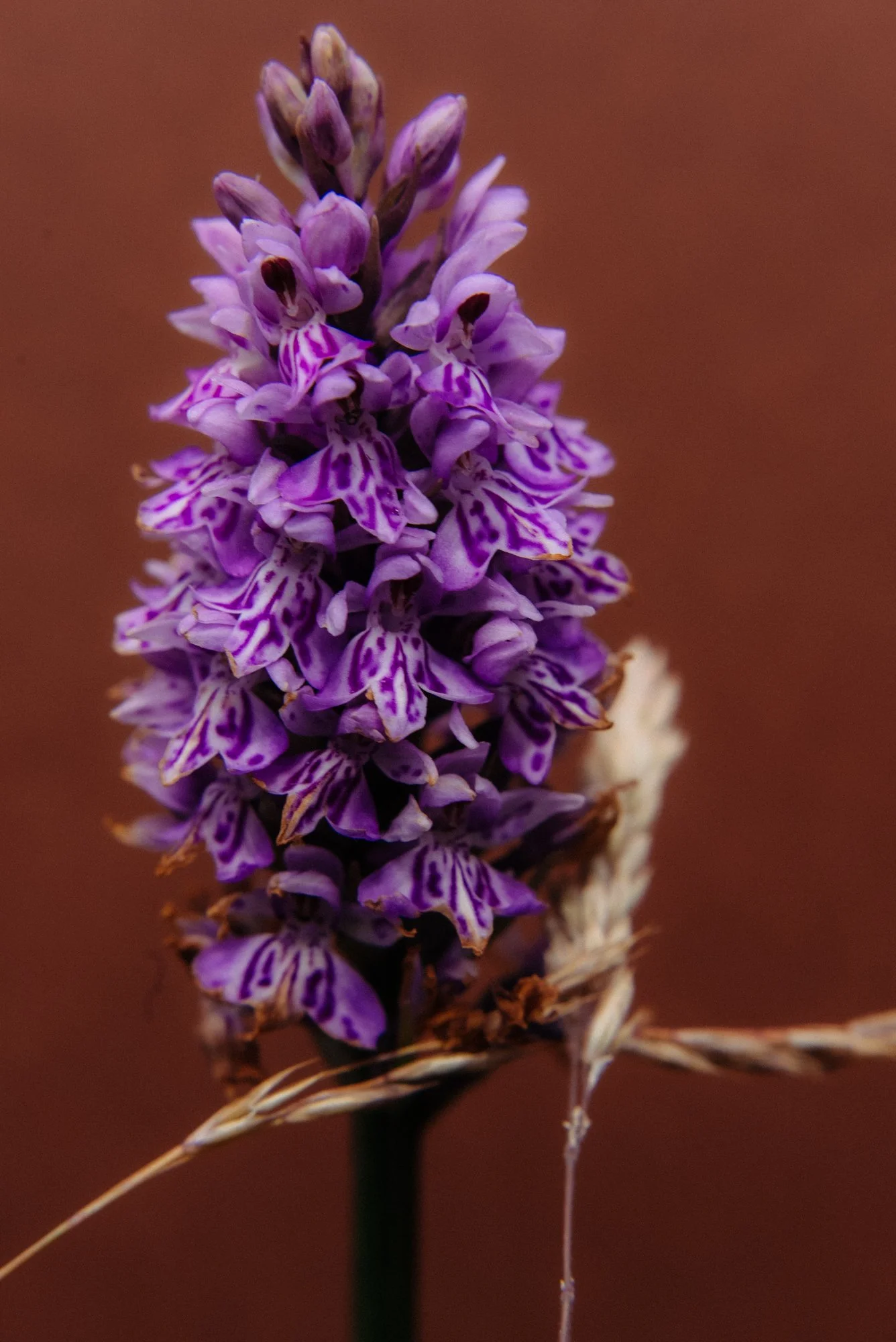
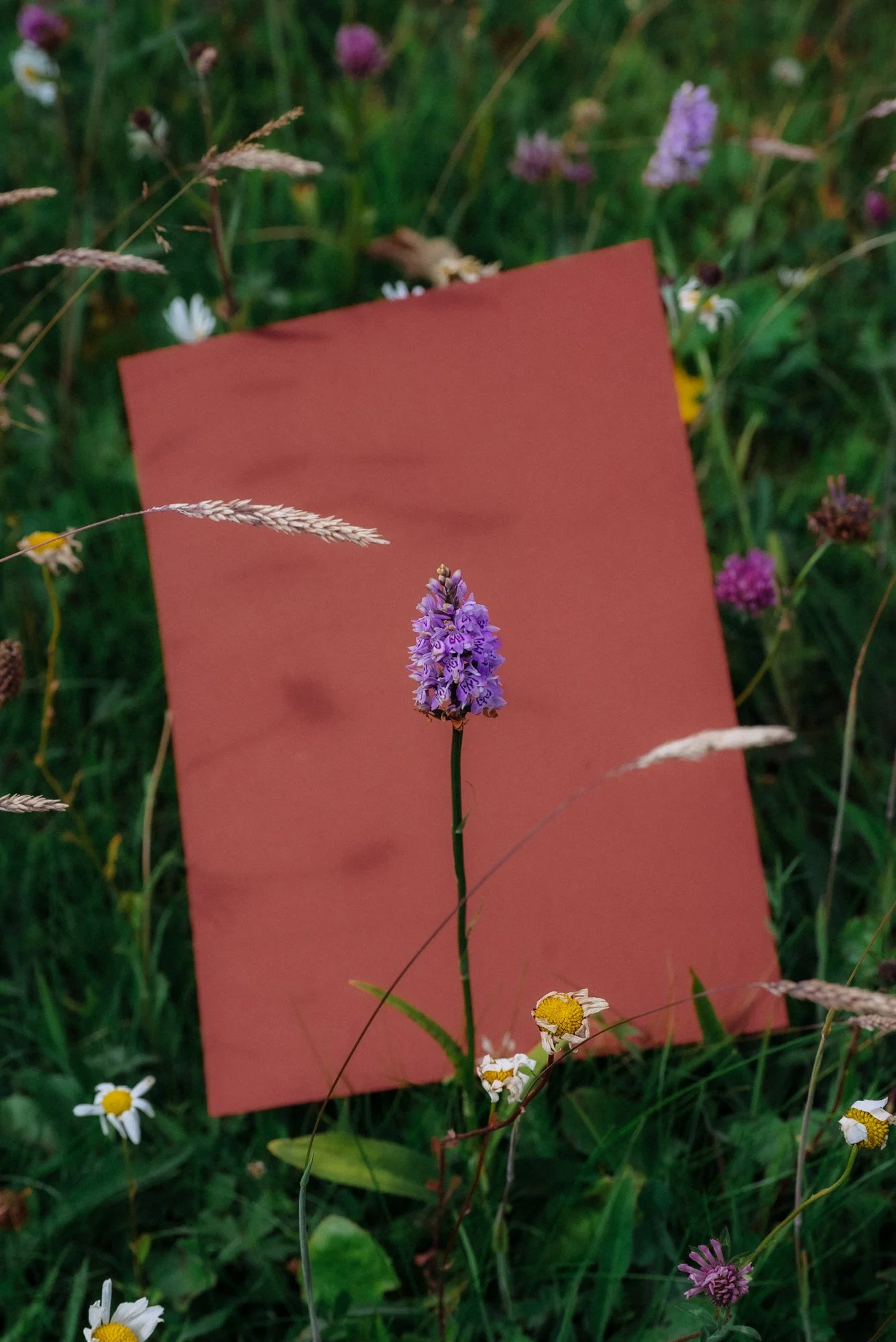
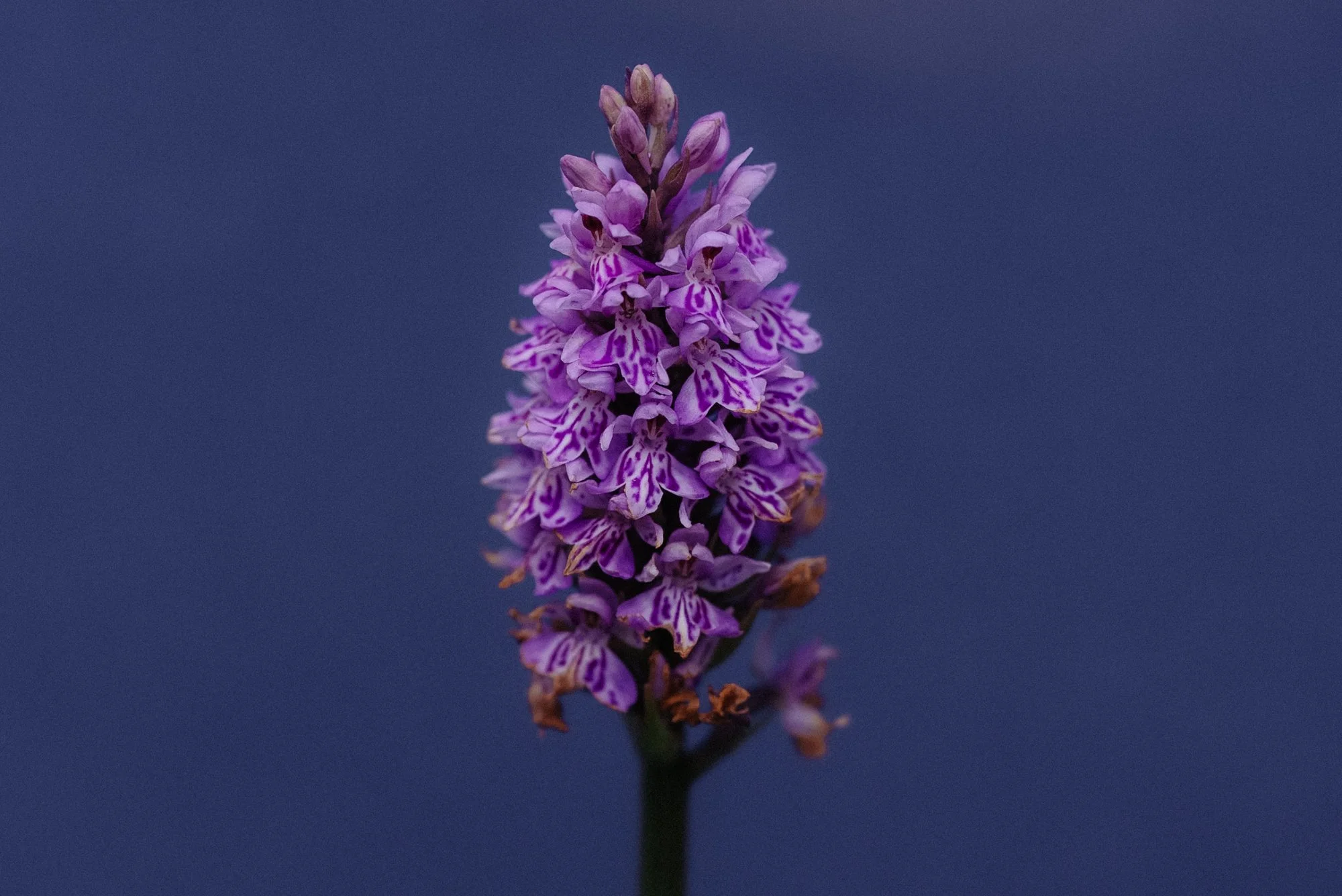
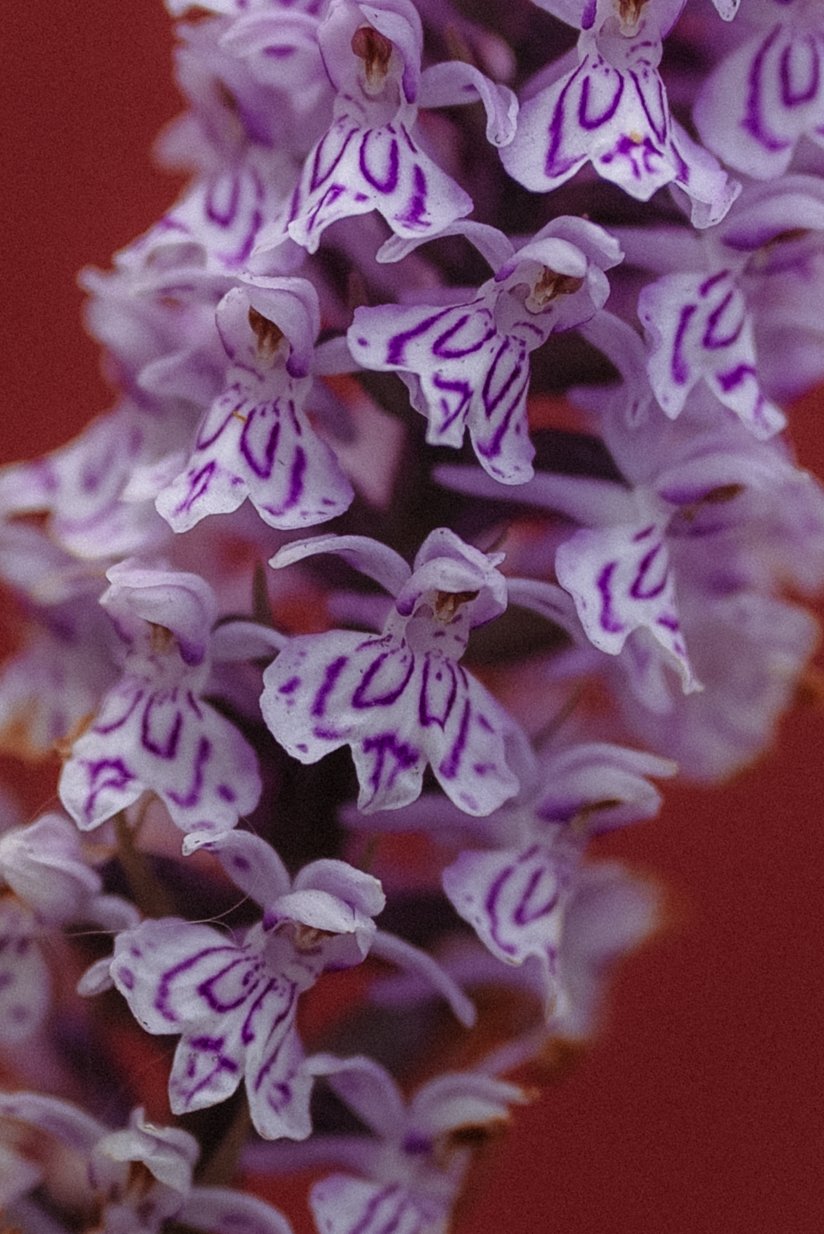
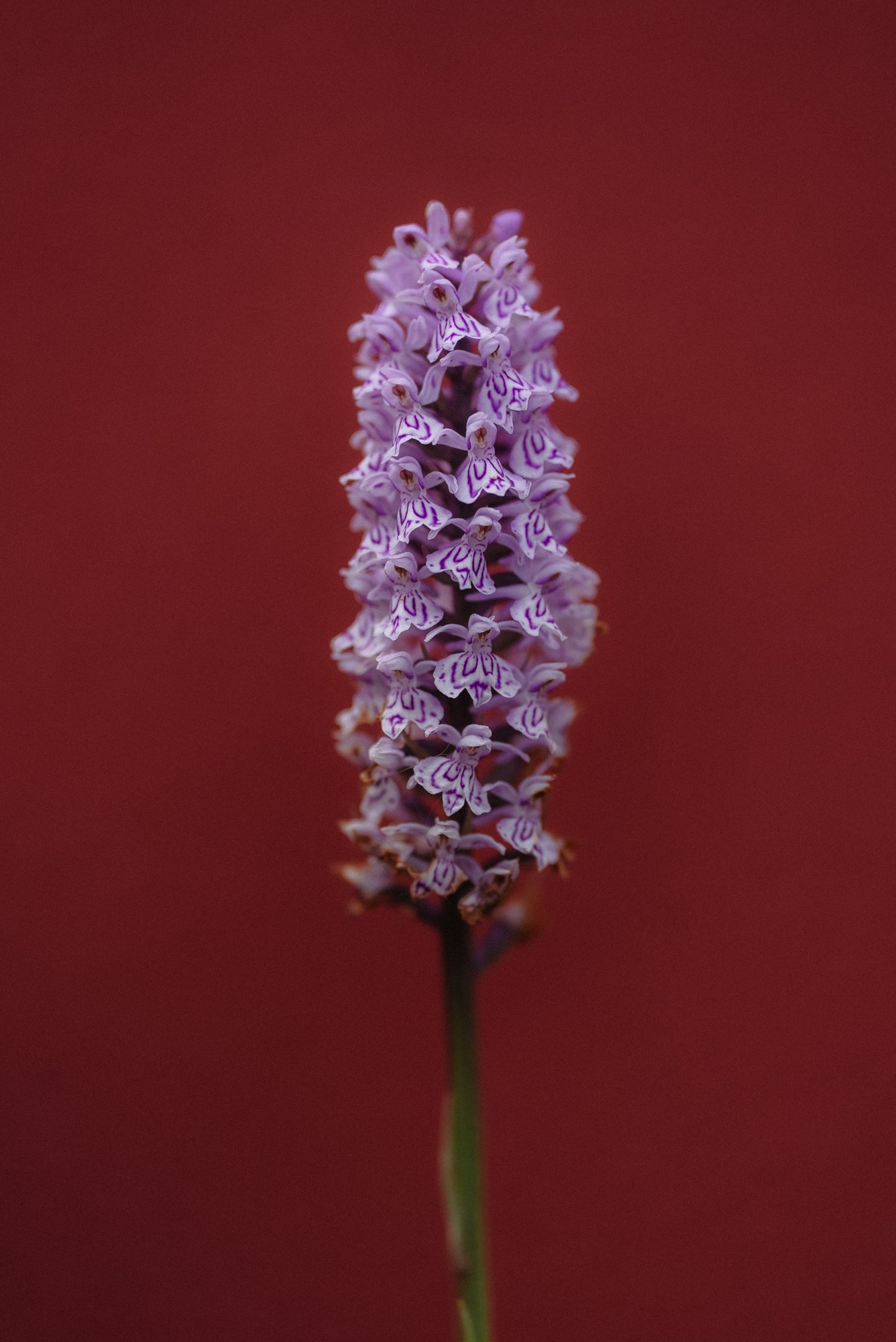
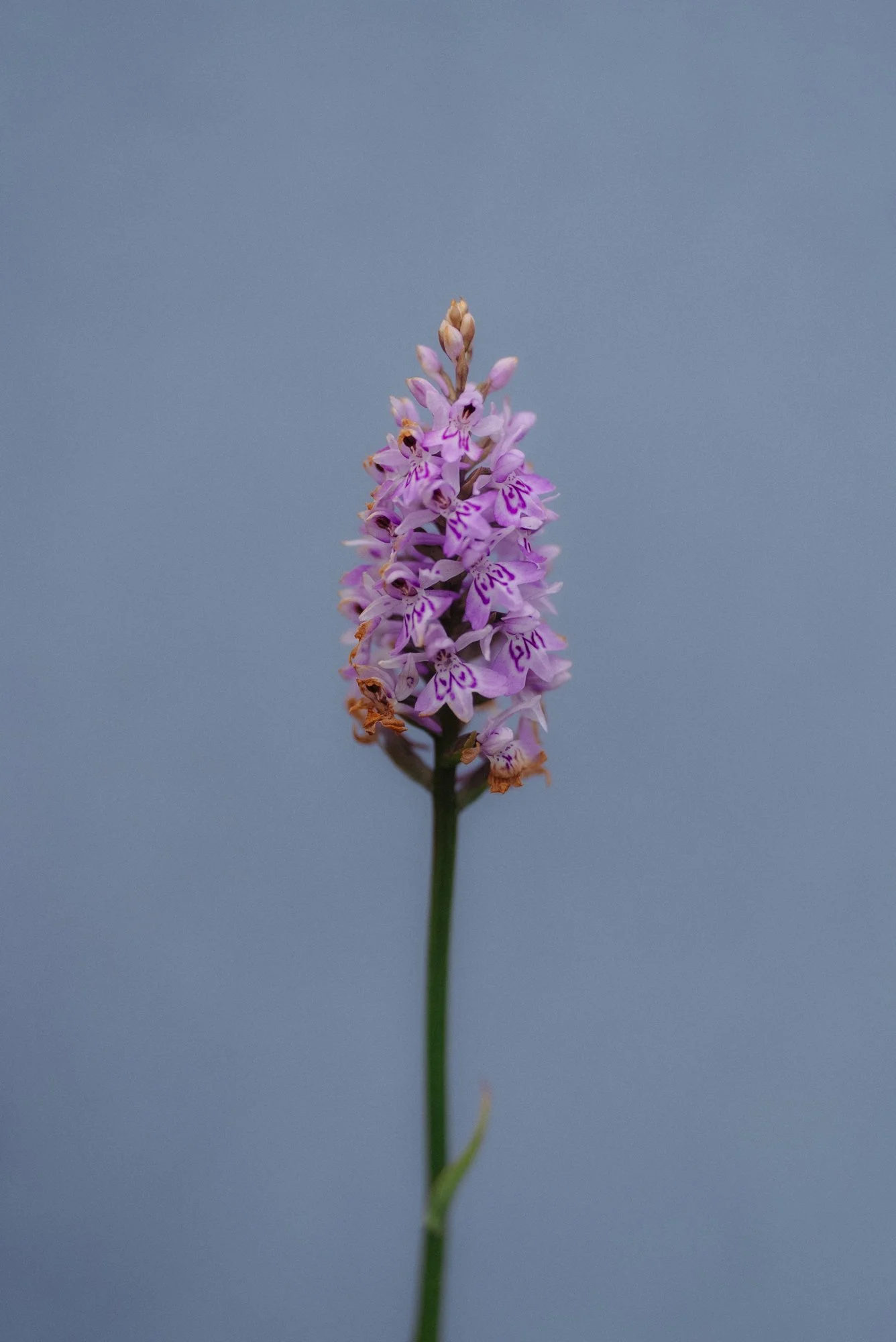
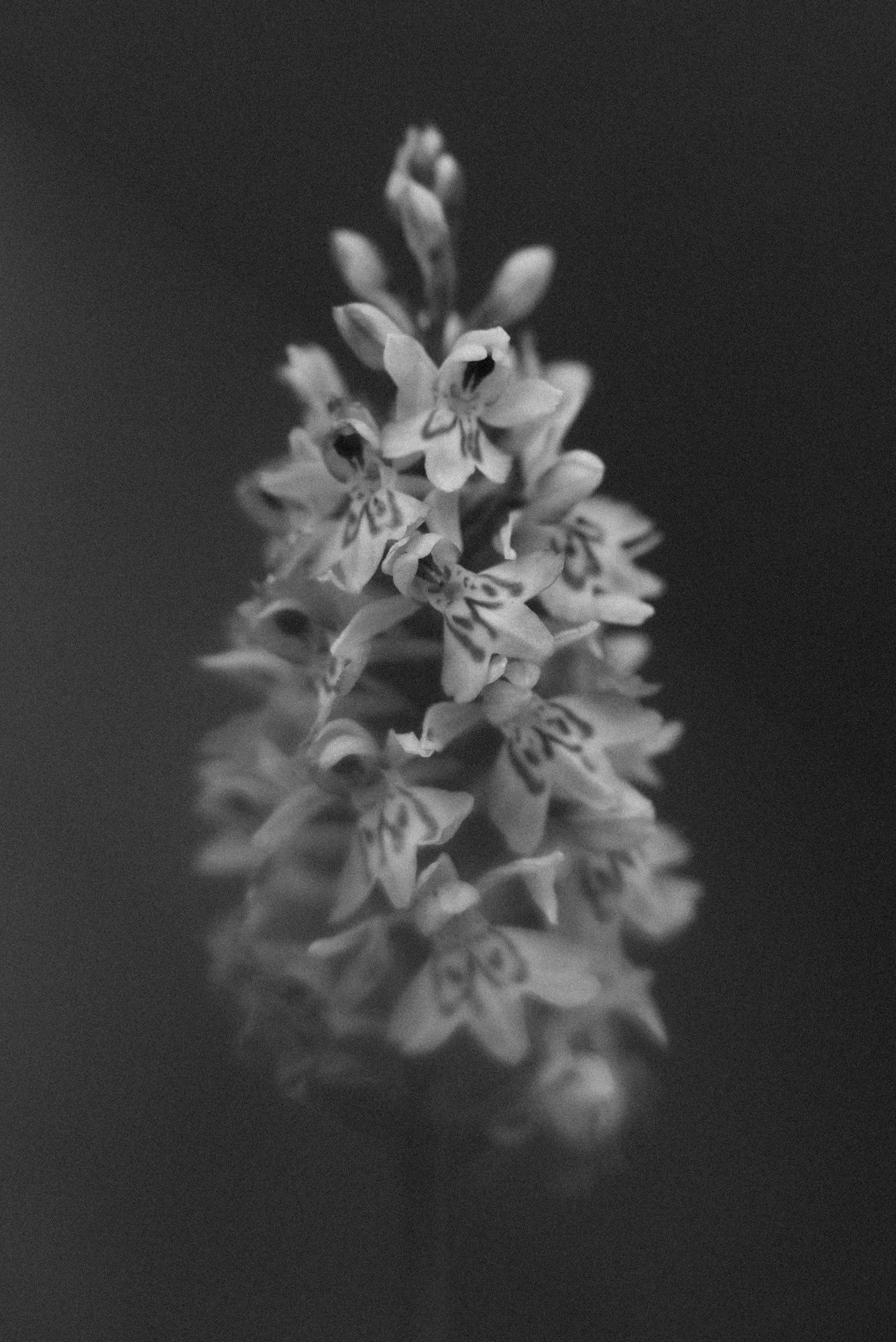
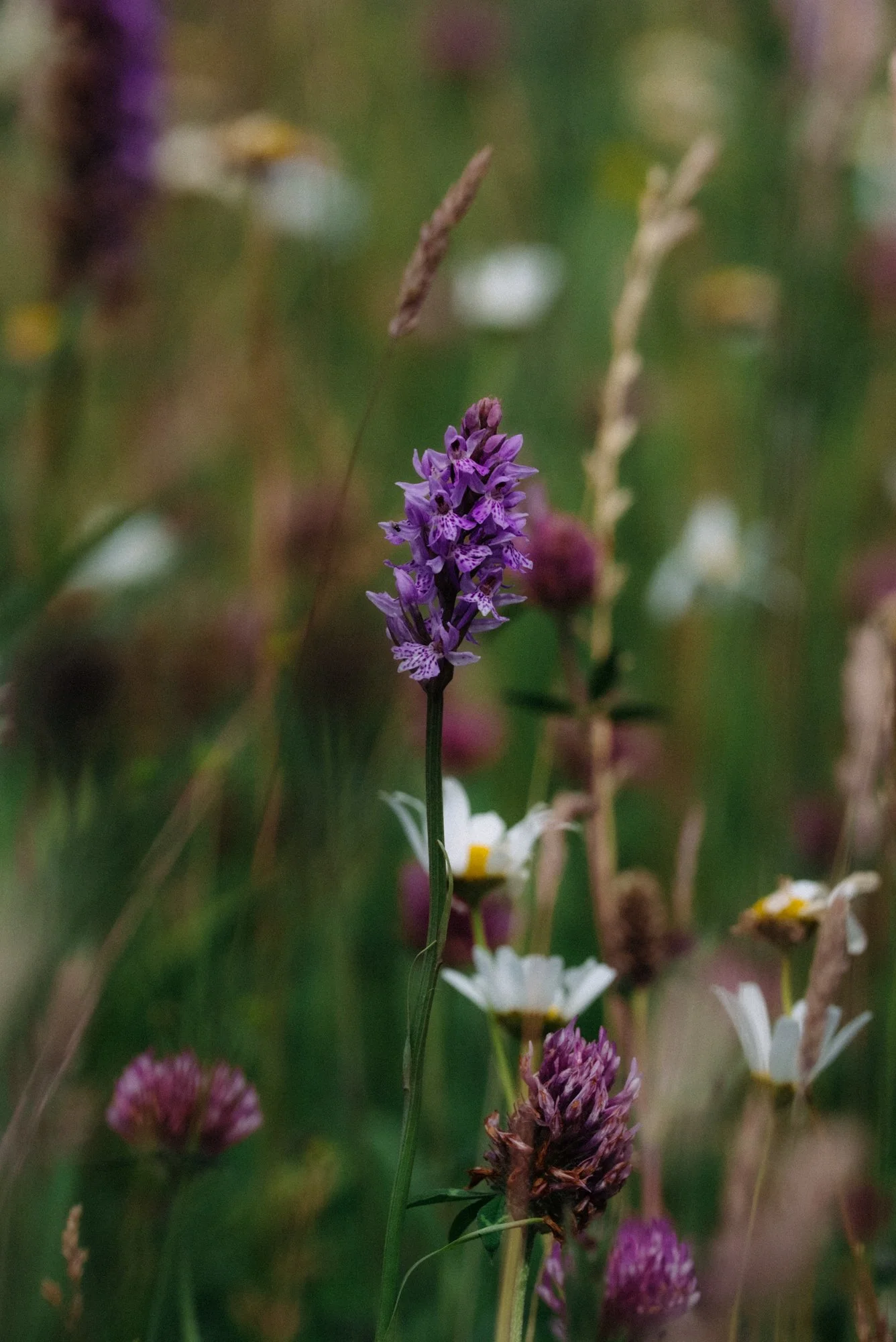
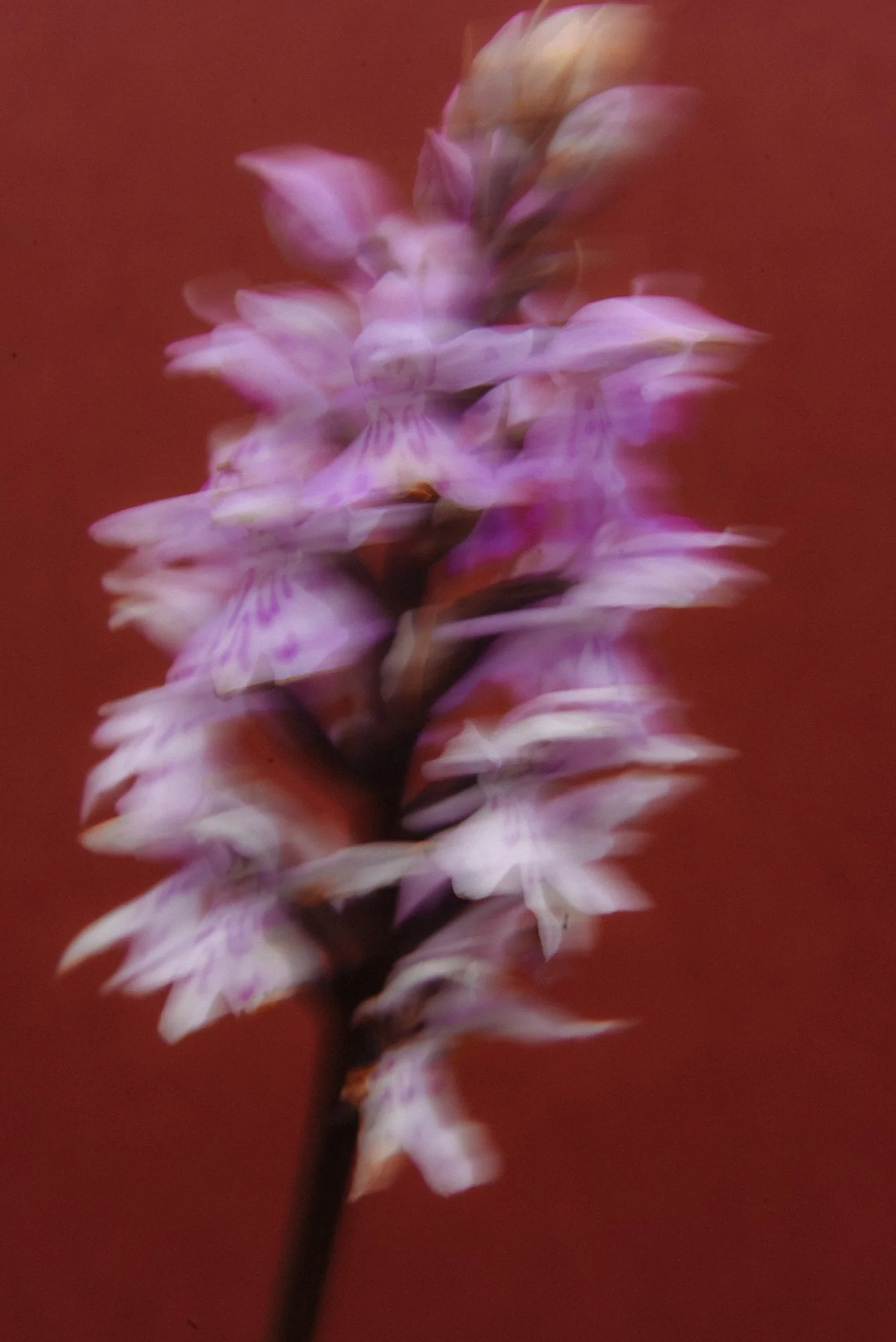
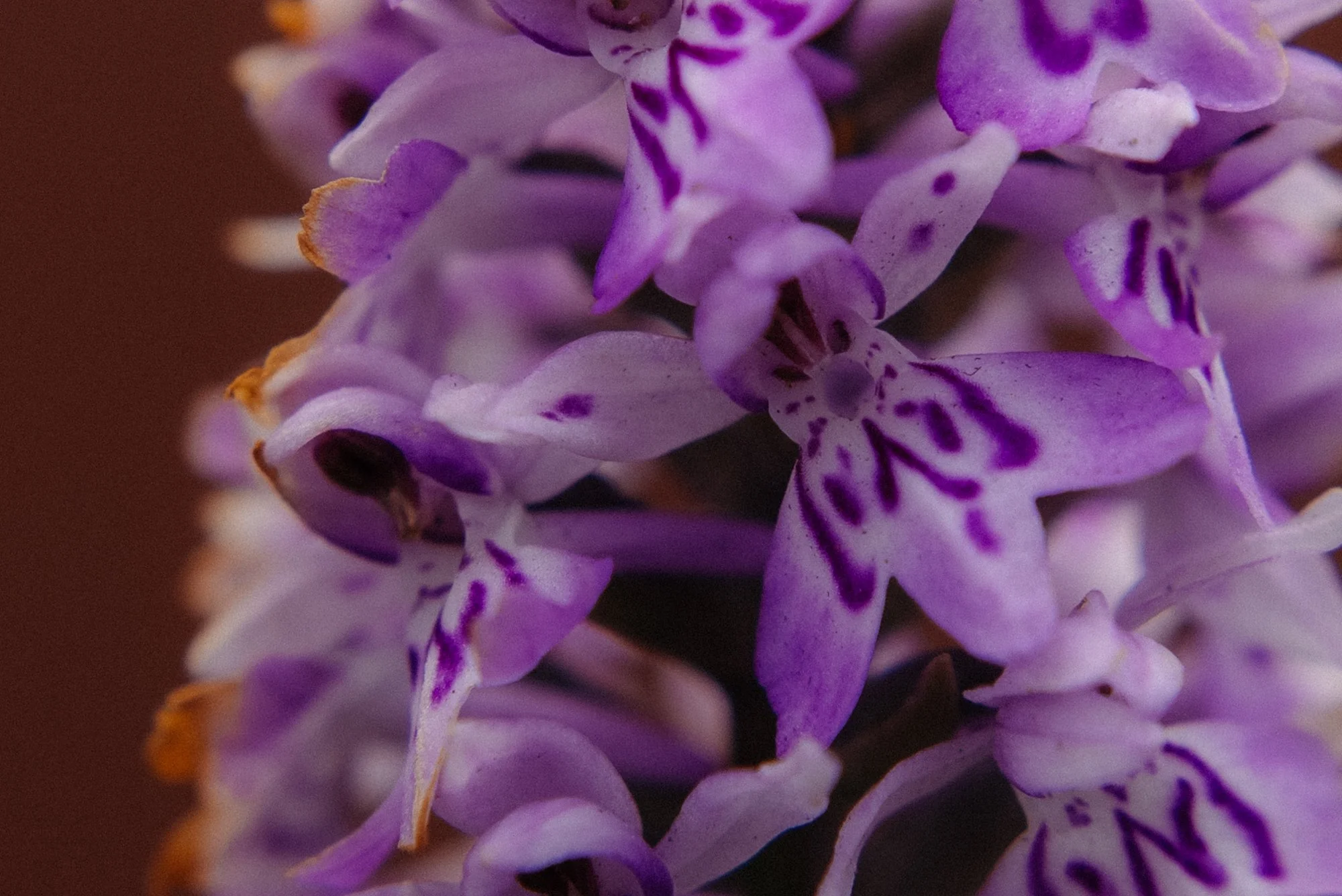
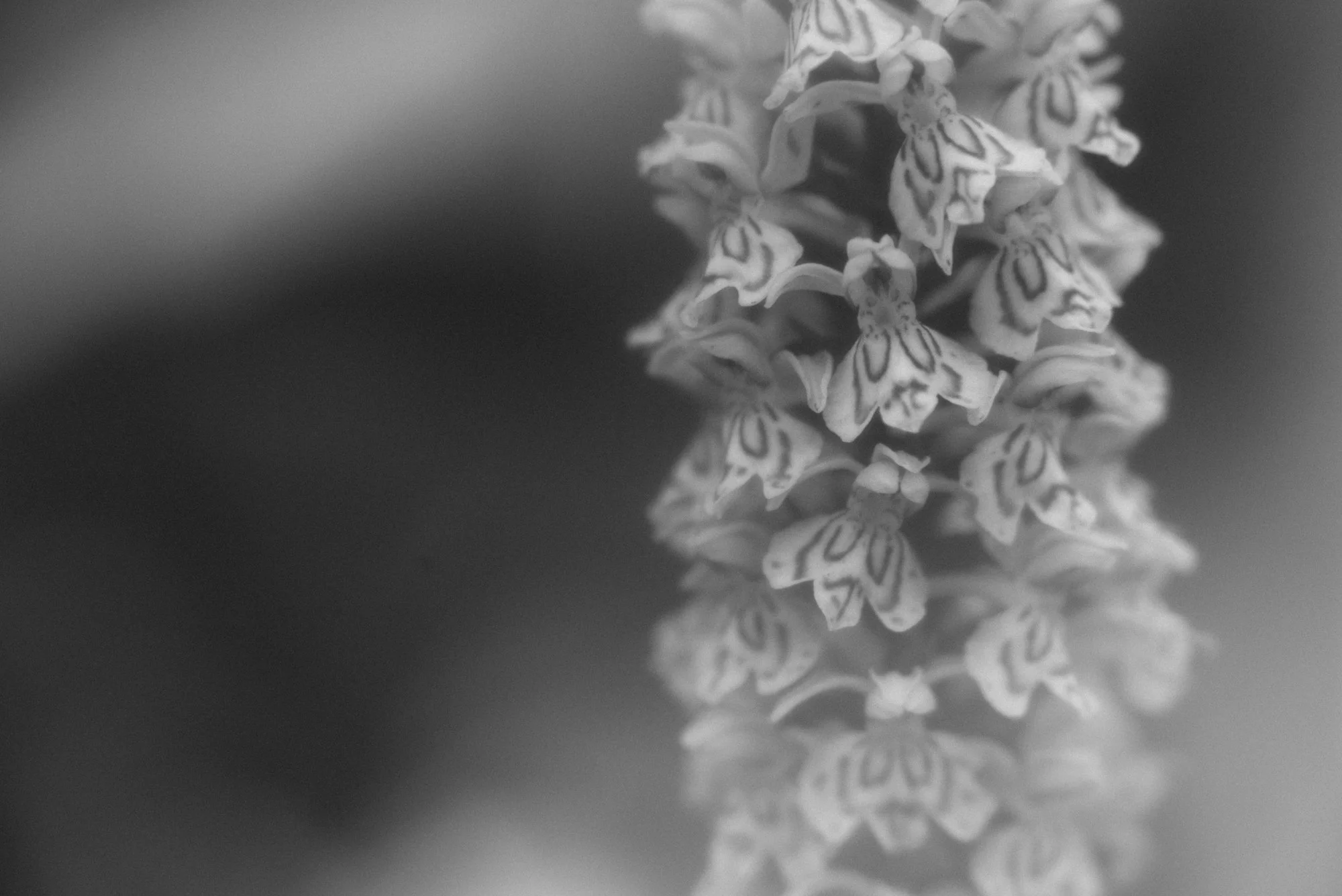
These images were taken on a roadside verge in the Peak District. A single population, unglamorous and easy to miss at 40mph: one small foothold in something much bigger and quieter, what still manages to grow at the edge of things, if we slow down enough to see it.
DOCUMENTARY
Peronsal Project
Peak District, UK